The Influence of Space and Layout
The layout of a casino is intricately designed to lead guests through a carefully curated experience. Most casinos employ an open floor plan that encourages exploration, with gaming machines and tables placed in a way that minimizes barriers and maximizes visibility. This strategic arrangement can create an atmosphere of excitement, making it difficult for patrons to resist the urge to participate in online pokies nz , which add to the overall allure of the gaming environment. The flow from one area to another is intentionally crafted, with the aim of keeping guests engaged and moving deeper into the venue.
Moreover, the use of space can significantly impact a player’s experience and behavior. By incorporating wide walkways and strategically placed seating areas, casinos ensure that guests feel comfortable while also prompting them to linger. This sense of openness can contribute to an increased likelihood of impulse spending as individuals feel more relaxed and less pressured. The balance of space not only affects how patrons navigate but also influences their choice of games, creating an immersive environment tailored to stimulate participation.
Additionally, the segmentation of areas for different activities—such as high-stakes tables, casual gaming, and entertainment zones—reinforces the distinct experiences offered within the casino. Each section is designed to evoke specific feelings, whether it’s the thrill of high-stakes gambling or the laid-back atmosphere of a lounge. This differentiation allows casinos to cater to varied demographics, encouraging longer stays and increased spending as guests explore the different facets of what the establishment has to offer.
The Role of Lighting and Color
Lighting plays a critical role in shaping the overall ambiance of a casino. By utilizing a combination of bright and dim lights, casinos can highlight certain areas while creating a sense of mystery and intrigue in others. The use of bright lights around slot machines, for instance, draws players in and captivates their attention. In contrast, softer lighting in lounge areas invites relaxation and social interaction, thereby enhancing the guest’s overall experience.
Color psychology further enhances the design of casinos, with specific hues chosen to evoke particular emotions. Warm colors like red and gold can create feelings of excitement and urgency, while cooler tones like blue can instill calmness. By carefully selecting color schemes, casinos can manipulate moods and behaviors, encouraging visitors to stay longer and spend more. This strategic application of color can affect decisions related to gambling, dining, and overall participation within the casino environment.
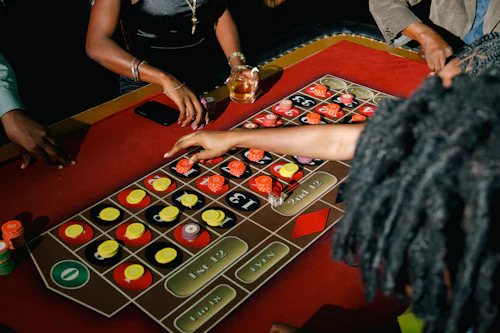
The interplay between lighting and color also influences how players perceive time. Many casinos intentionally use designs that obscure natural light, creating an environment where guests lose track of time. This disorientation can lead to prolonged stays, as individuals become engrossed in their activities without the awareness of how much time has elapsed. Ultimately, lighting and color are not merely aesthetic choices but integral components of a comprehensive psychological strategy that enhances the gambling experience.
The Soundscape and Its Effects
Sound is another critical element in a casino’s design that influences player behavior. Casinos often curate their audio environments to enhance excitement and encourage participation. The sounds of slot machines ringing, dice rolling, and cards being shuffled create an auditory backdrop that stimulates the senses and heightens the gambling experience. These sounds can evoke feelings of anticipation, rewarding players with a sense of achievement, which may lead to increased betting.
Moreover, background music is employed to set the mood and establish a rhythm within the casino. Upbeat tempo music can energize guests, encouraging them to engage with games and social interactions, while slower music may create a more relaxed atmosphere in dining areas or lounges. The selection of music, often curated to match the casino’s theme or target demographic, can significantly affect player decisions, further steering their experience and spending tendencies.
Interestingly, research has shown that certain sound frequencies can affect players’ perceptions of time and money. For instance, the sound of winnings can reinforce positive behavior, making patrons more likely to continue playing. Conversely, negative or jarring sounds may lead to discomfort, prompting players to leave. By understanding and manipulating the soundscape, casinos can enhance the overall experience, leading to increased visitation and spending from patrons.
Psychological Triggers in Gamification
Gamification principles play a pivotal role in casino design, utilizing psychological triggers to encourage engagement and participation. Casinos often employ reward systems, such as loyalty programs or bonus incentives, to create a sense of achievement among players. These systems are designed to tap into the human inclination towards competition and reward, prompting individuals to play more to attain these goals. The anticipation of rewards can lead to extended gaming sessions, as players strive to accumulate points or bonuses.

In addition to loyalty schemes, casinos often incorporate elements of unpredictability into their games. The use of chance and luck creates a thrill that lures players in. The uncertainty surrounding outcomes can significantly enhance the gambling experience, as patrons are drawn to the possibility of winning. This arrangement fosters a cycle of engagement, where players repeatedly return for the chance to chase that elusive jackpot, often leading to increased investment in both time and money.
The design of games themselves also reflects these psychological principles. Features like near-misses, where players come close to winning but ultimately do not, are strategically included to encourage further play. These design choices create a compelling feedback loop, as players may feel that victory is just within reach, prompting them to continue betting. Consequently, this design philosophy not only drives engagement but also deeply intertwines with the psychological aspects of gambling behavior.
Understanding the Casino Experience Through Research
Research into the psychology of casino design reveals a complex interplay of elements that contribute to the overall visitor experience. Insights from various fields, including psychology, neuroscience, and behavioral economics, are utilized to shape the casino environment. By tapping into human emotions and decision-making processes, designers can create spaces that draw in and retain guests effectively. This blend of art and science ensures a comprehensive understanding of what drives individuals to seek out these entertainment venues.
Moreover, studies indicate that sensory experiences—such as visual, auditory, and tactile stimuli—can significantly impact player enjoyment and satisfaction. Understanding how these sensory elements interact can lead to more effective designs that cater to human preferences and behaviors. Casinos, therefore, continually adapt and refine their designs based on research findings, ensuring they remain appealing and competitive in the ever-evolving landscape of entertainment.
In summary, research and insights into the psychology behind casino design are invaluable for creating spaces that resonate with visitors. As casinos continue to innovate and adapt to changing consumer preferences, the integration of psychological principles will remain at the forefront of their strategic design efforts. This ongoing exploration allows for the creation of environments that are not only functional but also deeply engaging, ensuring a memorable experience for all patrons.